FAQ – ANCORACÁ ROUTES
1. Who is Ancoracá Routes designed for, and can older travelers participate?
Ancoracá Routes is mainly designed for travelers between 25 and 45 years old because this group represents a large share of visitors interested in cultural and nature-based tourism in Ancash. However, the project is not limited by age. Older travelers, including those over 65, are welcome, and activities can be adapted to their physical abilities through lighter cultural tours, flexible schedules, and comfortable transportation.
2. Have you considered smaller market segments within your target group?
Yes. Within the 25–45 age range, Ancoracá Routes considers different traveler profiles, such as eco-travelers looking for quiet natural spaces and cultural travelers interested in learning about food, traditions, and local stories. The project focuses on small communities and cultural experiences, avoiding direct competition with large adventure tour operators.
3. What cultural experiences does Ancoracá Routes offer?
The project offers cultural walking tours, visits to local communities, traditional food experiences, and small cultural workshops. These activities are designed to create meaningful interaction between travelers and local families rather than mass tourism experiences.
4. How and where can customers book tours and accommodations?
Customers can book tours and accommodations by contacting Ancoracá Routes through WhatsApp, Instagram direct messages, or the contact section on the official website. Using multiple communication channels allows travelers to ask questions directly and feel confident before confirming a booking. Bookings will open gradually through a soft launch once local partnerships are finalized.
5. What is the cancellation, refund, and rescheduling policy?
A clear cancellation and refund policy is explained before payment. Depending on the notice period and the services already arranged, customers may receive a full refund, a partial refund, or the option to reschedule. If flights are delayed or cancelled due to unforeseen circumstances, Ancoracá Routes will try to reschedule the tour whenever possible, subject to availability.
6. What tours are offered at launch, and how much do they cost?
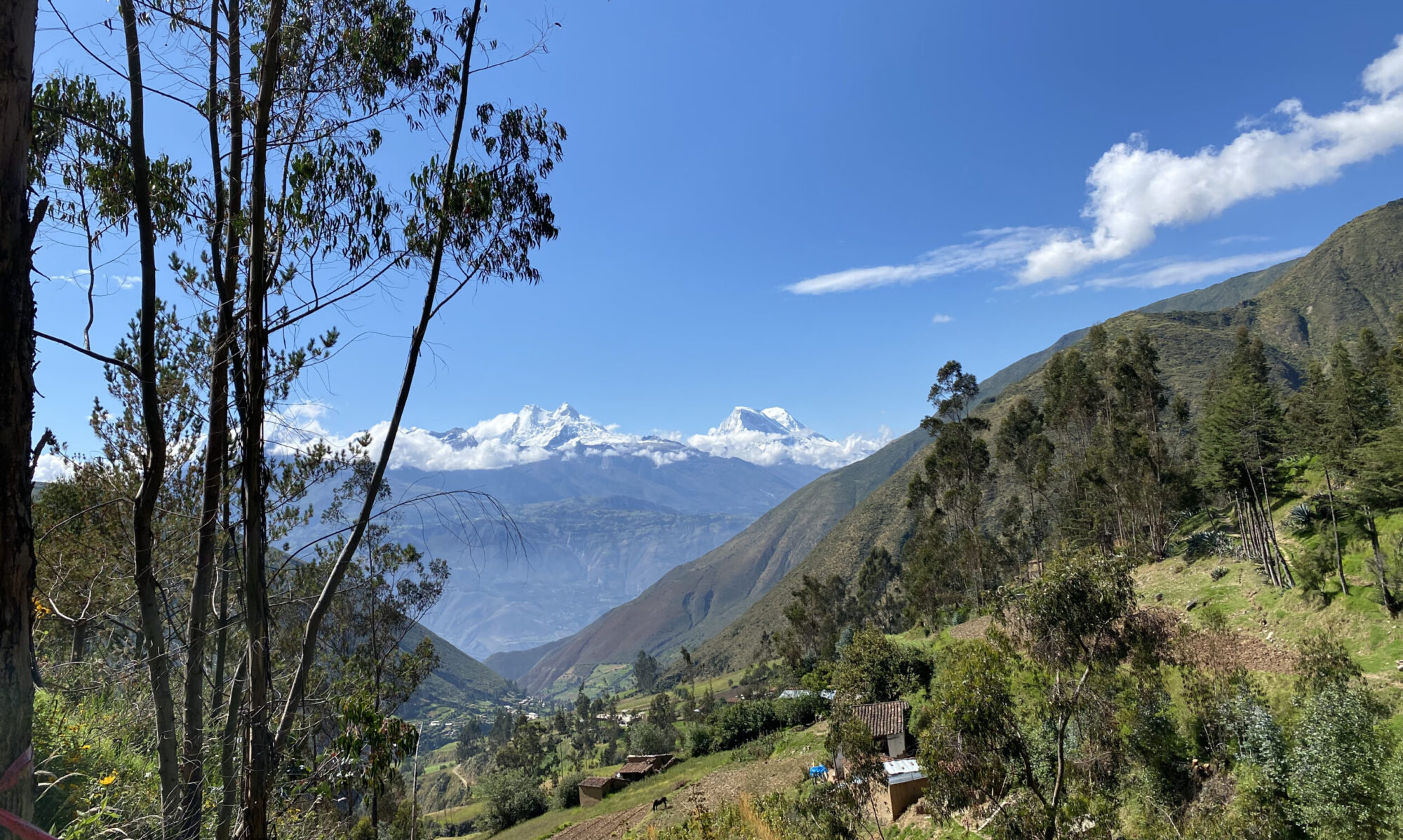
At launch, Ancoracá Routes offers cultural walking tours, nature experiences near the Cordillera Blanca, family-based accommodation, and small cultural workshops. According to the financial plan, tours cost CAD $80 per person, family accommodation costs CAD $120 per night, and cultural workshops cost CAD $35 per person. Prices are designed to be affordable while fairly supporting local families and guides.
7. What cultural etiquette should visitors be aware of, and when is the best time to visit?
Visitors are encouraged to respect local customs, ask permission before taking photos, dress modestly in rural communities, and behave politely during cultural activities. The best time to visit the Ancash region is generally between May and September, when weather conditions are more stable and suitable for outdoor and cultural tourism.
8. How does Ancoracá Routes ensure safety and service quality?
Safety and quality are priorities for the project. Ancoracá Routes works with trained local guides, provides safety briefings before activities, maintains clear communication during tours, and ensures that family accommodations meet basic cleanliness and comfort standards. Tours and schedules are adjusted according to local safety advice and weather conditions.
9. Do you have a strategy to encourage repeat visits?
Yes. The main strategy is to offer a personal and welcoming experience that makes guests feel connected to the community. To encourage return visits, Ancoracá Routes plans to offer discounts for future trips, personalized communication through WhatsApp, and invitations to new cultural routes and experiences.
10. How does Ancoracá Routes differentiate itself from other tour operators?
Unlike many tour operators in Huaraz that focus on trekking or premium adventure tourism, Ancoracá Routes specializes in community-based cultural tourism. The project offers small-group experiences, traditional hospitality, transparent pricing, and authentic interaction with local families, which creates trust and a unique value proposition.
11. What tourism and travel trends support this business model?
The business aligns with growing demand for sustainable tourism, cultural immersion, and small-scale travel. Many travelers today prefer responsible tourism options that support local communities and allow meaningful interaction, rather than standardized tour packages.
12. What marketing strategy is used to promote Ancoracá Routes?
Marketing focuses on digital platforms such as Instagram for visual storytelling, WhatsApp for direct communication, and word-of-mouth recommendations. Over time, platforms like Google Maps, TripAdvisor, and Airbnb Experiences may be added to increase visibility while keeping marketing costs low.
13. What is the financial structure of the business in the first year?
Ancoracá Routes is designed as a low-risk, community-based start-up. The total initial investment is approximately CAD $12,000–$15,000 and is mainly funded through personal savings and reinvested earnings. The business operates without long-term debt and uses simple cost structures to maintain financial stability in the first year.
14. How does the business manage risks such as natural disasters or unexpected events?
Risk management focuses on prevention and flexibility. Tours are planned according to weather forecasts and local safety guidance, and operations may be paused or adjusted during high-risk conditions. When possible, tours are rescheduled instead of cancelled to protect both customers and the business.
15. Why is the liquidity ratio high in Year 1, and how will idle cash be used?
The liquidity ratio is high in Year 1 because the business follows a conservative financial approach while building stable demand. Keeping more cash available helps manage seasonality and unexpected expenses. As demand becomes more predictable, excess cash will be reinvested in improving family accommodations, expanding low-cost marketing activities, purchasing basic equipment, and developing new cultural routes and workshops.
References
MINCETUR. (2023). El Perú registró más de 2.5 millones de turistas internacionales en 2023. Retrieved from
https://www.gob.pe/institucion/mincetur/noticias/891448-el-peru-registro-mas-de-2-5-millones-de-turistas-internacionales-en-2023
MINCETUR. (2024). Reporte regional de turismo Ancash 2024. Retrieved from
https://cdn.www.gob.pe/uploads/document/file/6136995/5420947-reporte-regional-de-turismo-ancash-ano-2024%282%29.pdf?v=1755554996
MINCETUR. (2024). Manual de buenas prácticas para servicios turísticos. Retrieved from
https://www.gob.pe/institucion/mincetur/campa%C3%B1as/40791-subvencion-economica-para-guias-de-turismo-y-artesanos
WTTC. (2025). Peru’s Tourism Sector Projected Contribution to GDP. Retrieved from
https://www.hotelnewsresource.com/article137413.html
TuSalario. (2024). Salarios de guías de turismo en Perú. Retrieved from
https://tusalario.org/peru/salario/reporte-de-salarios/el-salario-de-guias-de-turismo-es-de-s-1-264-hasta-s-2-758-por-mes
TripAdvisor. (2025). Huaraz Tourism Reviews. Retrieved from
https://www.tripadvisor.com/Tourism-g304039-Huaraz_Ancash_Region-Vacations.html
Company websites (2024–2025):
Huaraz Turismo – https://www.huarazturismo.com/
Golden Expeditions – https://www.goldenexpeditionperu.com/
Andean Summit Adventures – https://www.andeansummitadventures.com/
BudgetYourTrip. (2025). Average Travel Costs in Peru. Retrieved from
https://www.budgetyourtrip.com/peru
TourRadar. (2025). Peru Tours & Prices. Retrieved from
https://www.tourradar.com/d/peru